
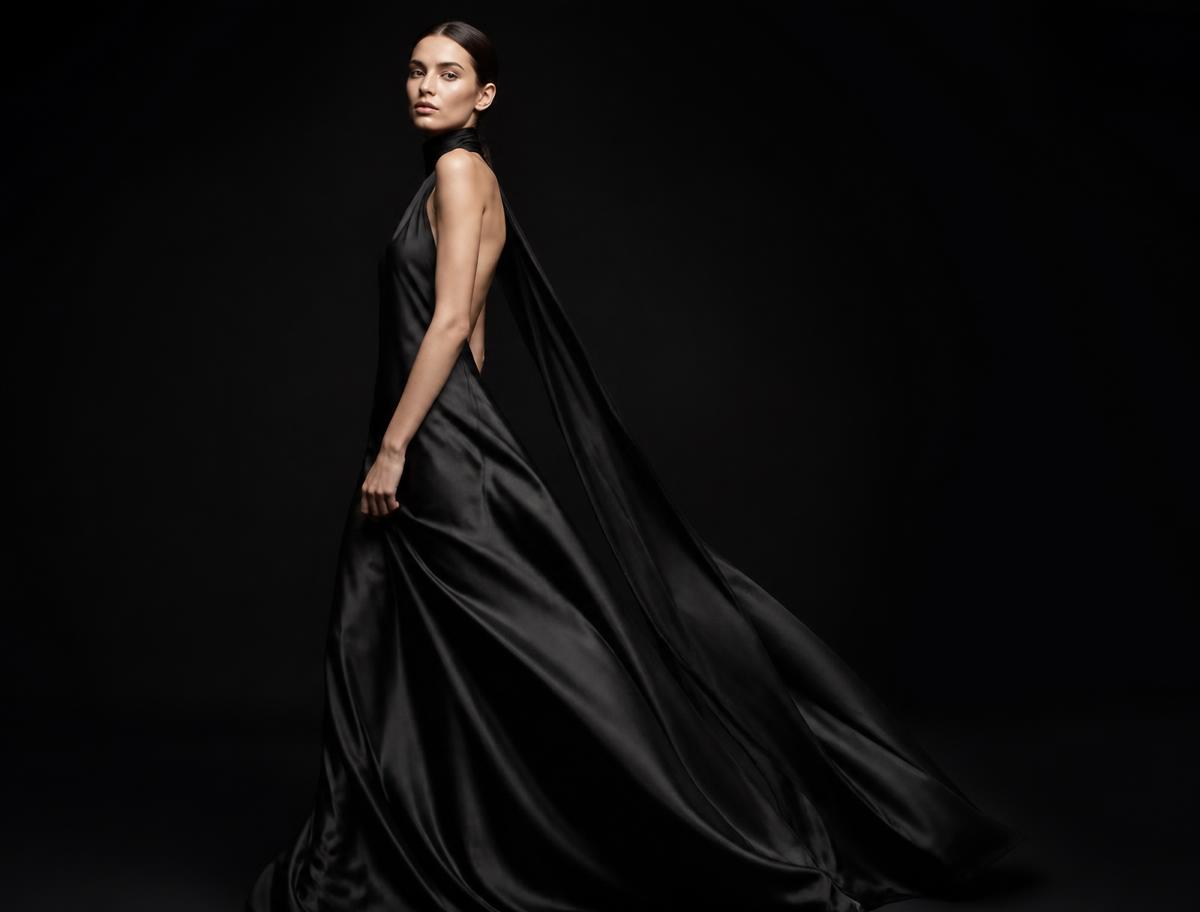
Luxury is moving away from volume and toward meaning. What the next decade asks of the houses that intend to still be here at the end of it.
For two decades, luxury grew by expanding: more categories, more collections, more doors, more visibility. That model produced extraordinary businesses and, along the way, quietly redefined the word itself. Luxury came to mean access to a name rather than possession of something rare.
The correction now underway is not a rejection of luxury but a return to its definition. Buyers are asking harder questions — where was this made, how long will it last, what happens when it wears. These are not ethical questions dressed up as commercial ones; they are the original questions, being asked again.
What this asks of a house is uncomfortable. Fewer releases mean each one carries more weight. Longevity means designing against your own repeat sales. Transparency means the supply chain becomes part of the product. None of these are marketing positions; each one changes what the business is allowed to do.
We think the houses that remain in twenty years will share three traits: a narrow product line they can genuinely defend, a relationship with makers rather than merely suppliers, and a refusal to inflate desire faster than they can meet it. Scale will still be possible — but it will follow the work rather than lead it.
There is an opportunity in this for a house being built now. We are not unwinding a decade of expansion or protecting an existing volume. We can begin with the constraints already in place, and let everything grow inside them.
That is the wager ODCORRECT is making: that meaning outlasts momentum, and that a small number of things worth keeping will matter more, ten years from now, than a large number of things worth noticing today.