
Craftsmanship
The unseen decides everything.
Quality is not applied at the end of a process. It is the entire process, from the first material decision to the final hand-finished edge.
Why It Matters
Quality is a decision made early.
A garment reveals its origins slowly. In the first month, almost anything can appear luxurious. In the third year, only the truth remains: how the fibre was spun, whether the canvas was stitched or glued, whether the seam allowance was generous enough to be altered by a wearer who has changed.
This is why we treat material selection as a design decision rather than a procurement one. A beautiful pattern executed in a compromised cloth is not a beautiful garment; it is a beautiful drawing. The cloth is the design.
Construction follows the same logic. We accept the slower method almost every time — not out of romance for tradition, but because those methods have survived precisely by producing objects that survive. Hand finishing costs hours that no customer will ever count. It buys years that every customer will feel.
We would rather deliver later and be worn longer. That is the whole of our manufacturing philosophy.
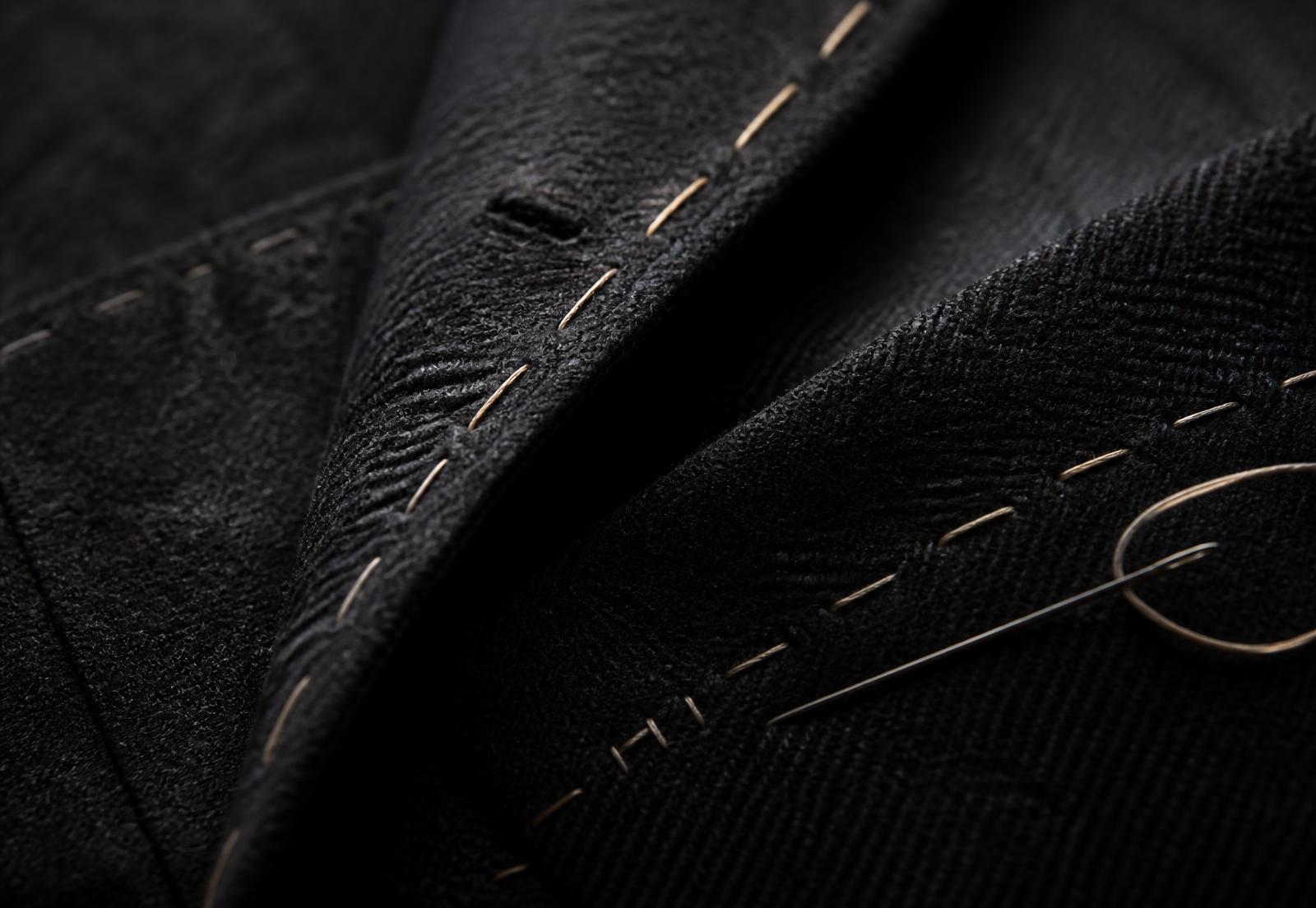
Stage I
Selection
Material is chosen before design begins. Wool from mills that have not altered their rhythm in a century; hides tanned slowly with bark rather than chemistry; naturals distilled in small volume. If a material cannot be traced, it is not used.
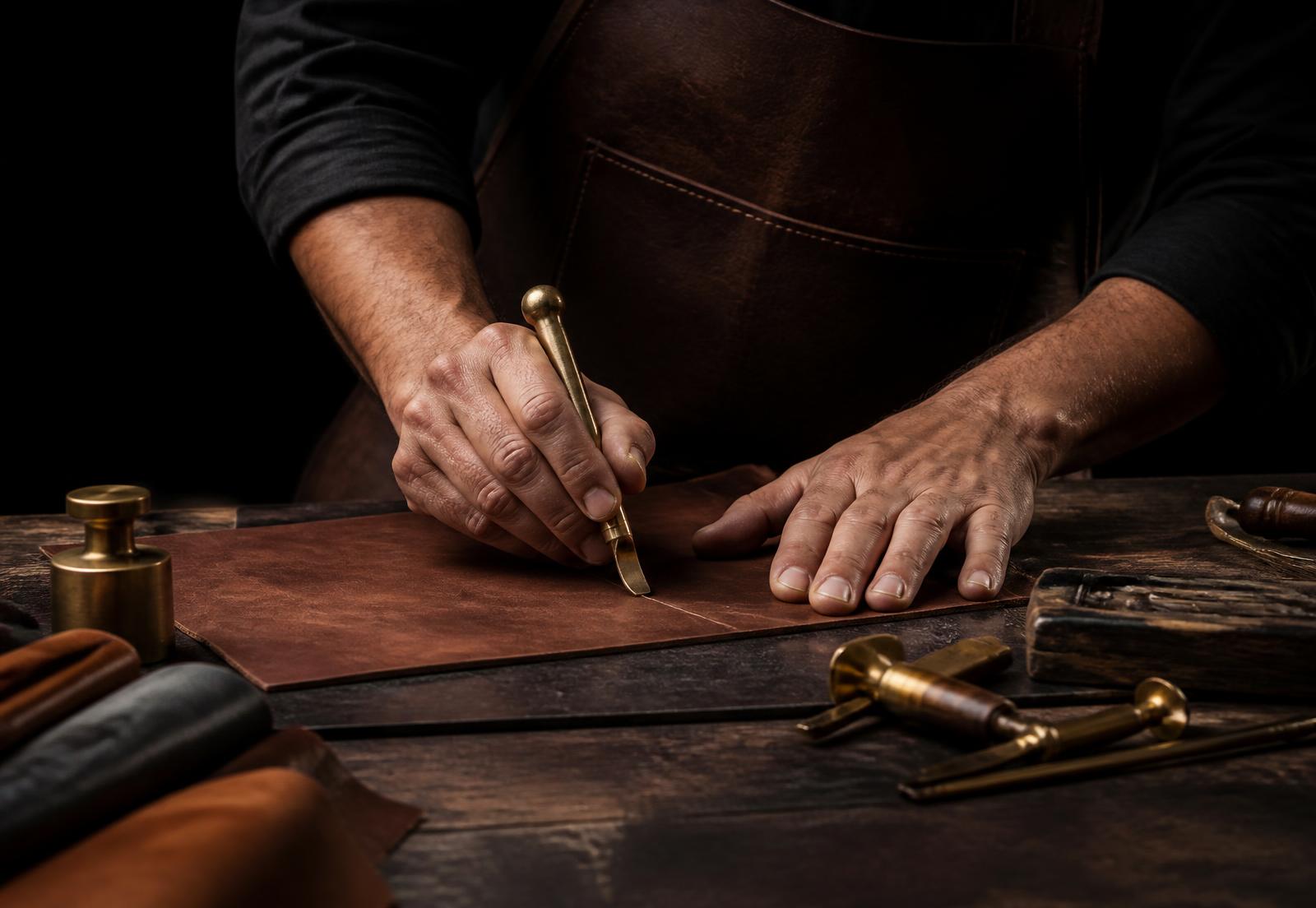
Stage II
Construction
Full-canvas tailoring that moulds to the wearer rather than resisting them. Goodyear-welted footwear built to be resoled again and again. Interiors cut with the same discipline as exteriors, because the unseen is where standards are proven.

Stage III
Finishing
Edges closed by hand. Buttonholes worked in silk. Flacons weighted and polished until the light behaves correctly on the glass. Finishing is not decoration — it is the last chance to be honest about the work beneath it.